
AWS & Azure Cloud Migration Services
Migrate to AWS or Azure without the disruption: a tested plan from a certified cloud migration consultant, with a rollback path ready before the old environment is turned off.
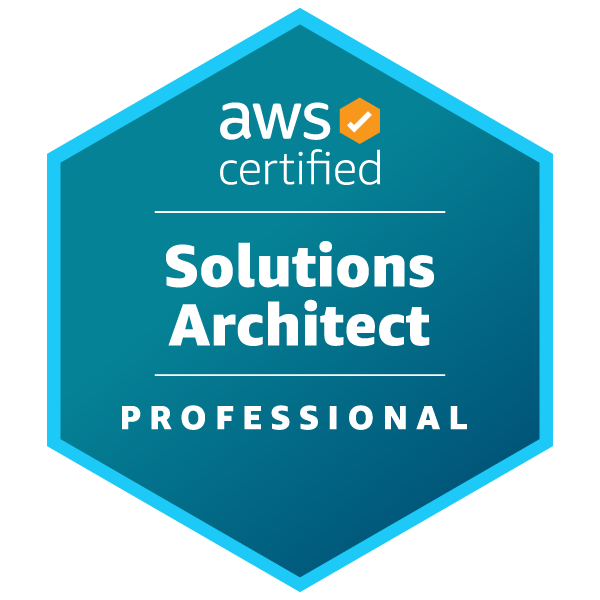
Shane Schlabach · AWS Solutions Architect – Professional · 12+ years in AWS & Azure · Remote across the US

Overview
I plan and run cloud migrations to AWS and Azure: on-premises and colocated servers moving to the cloud, workloads moving between AWS and Azure, and applications moving from VMs into containers along the way.
Before anything moves, I assess the workload, its dependencies, and its actual traffic patterns. Successful migrations depend more on planning than on technical difficulty, and skipping this step turns the plan into guesswork.
I'll tell you which workloads are genuine lift-and-shift candidates and which are better modernized during the move, rather than carried over as-is with the technical debt they've accumulated. Making that call up front is most of the value a migration plan provides.
Every migration I run ends with validation, not just a cutover. That means testing under realistic conditions, verifying rollback procedures, confirming application functionality, and only then decommissioning the legacy environment.
Selected work
Examples from enterprise production environments I've led. Client names are kept private.
Move .NET services to Docker on ECS with autoscaling
- Problem
- .NET services ran on Linux EC2 instances sized for peak traffic around the clock, and every rollout meant updating servers one at a time.
- What I did
- Containerized each service with Docker, deployed them to Amazon ECS, and added autoscaling based on actual demand.
- Result
- Consistent builds and deploys, no more server-by-server rollouts, and infrastructure costs down about 25% with no application code changes.
How engagements work
Every engagement starts with a free, no-obligation conversation. Project work is $150/hour with scope agreed up front, or ongoing care as a monthly managed service.
- 1
Discovery
What you run today, where it hurts, and what “done” looks like.
- 2
Plan
A written roadmap: options, sequence, and what I would touch first.
- 3
Build
Infrastructure, automation, and security — as code, in your accounts.
- 4
Support
Monitor, patch, and keep changing it as the workload changes.
Common questions
How long does a cloud migration take?
It depends on how many workloads are moving and how tightly they're connected. The assessment at the start produces a written plan with a sequence and timeline, so you know before any cutover is scheduled.
Will there be downtime?
Cutovers are planned around your business, with the new environment tested and a rollback path ready first. Most workloads can move with a short, scheduled cutover window rather than an extended outage.
Do you sell migration software?
No. I'm a consultant, not a tool vendor. I use AWS and Azure native migration tooling where it fits and plan the work around your workloads, not around a product.
Who will I be working with?
Me, Shane Schlabach. The person on the first call is the person doing the work. There are no account managers and no handoffs to junior staff.
How much does it cost?
Project work is $150/hour, with scope and a plan agreed before work starts. Managed service starts at $2,000/month and is scoped after a review of your environment.
Do you work with companies outside Ohio?
Yes. I'm based in Cincinnati, Ohio and work remotely with teams across the United States.
Who owns the code and documentation?
You do. Everything is built in your own AWS or Azure accounts and source control, with handoff documentation so your team can run it without me.
How do we get started?
Use the form below to send a few sentences about where things stand. I reply within one business day, and the first conversation is free with no obligation.